

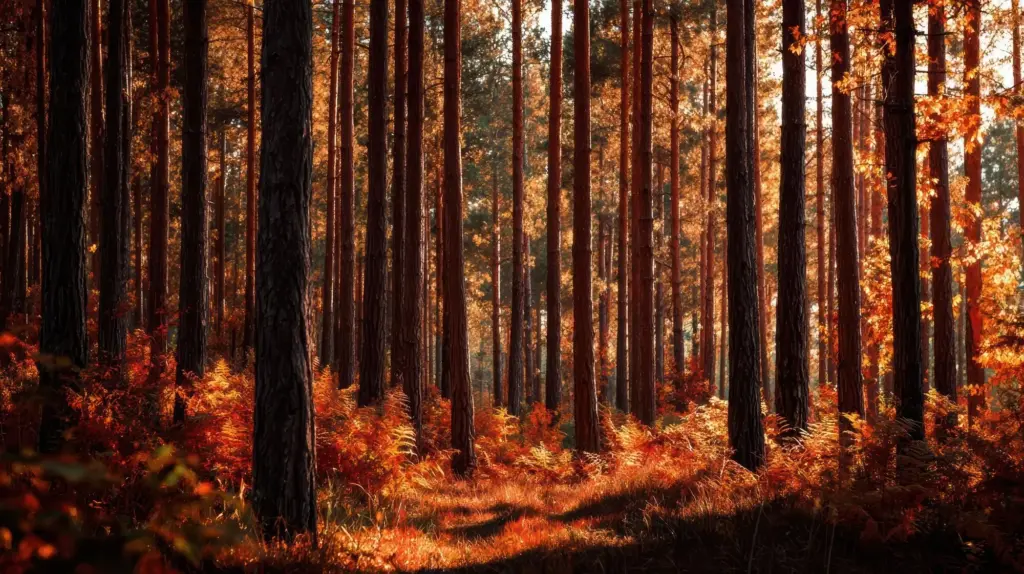


Where the Woods Go Quiet and Sound Comes Alive

Today we focus on the top quiet spots for immersive listening in Lake District woodlands, celebrating places where footsteps soften, daylight filters through oak and larch, and every delicate birdsong feels close enough to touch. We’ll share gentle approaches, respectful customs, practical access tips, and heartfelt anecdotes gathered at dawn and dusk. Bring patience, curiosity, and a warm flask, and let the layered hush of moss, beck, and breeze remind you how restorative attentive listening can be.

First Light Over Rydal’s Old Oaks

Slip into Rydal’s oakwoods while mist still threads between trunks, and notice how robins stake out sentences before blackbirds shape paragraphs. As light lifts, each layer of sound peels open: soft beck murmurs, feathery leaf-drip, distant sheep punctuation. Hold still, breathe slowly, and let the day arrive through your ears first, giving gratitude for how morning reveals subtlety that later hours blur beneath bootfalls and busy trails.

Midweek Hush Beneath Grizedale’s Lesser-Known Trails

Choose quieter spurs off Grizedale’s main loops on a Tuesday or Wednesday, when the forest roadways doze and sculpture clearings feel contemplative. Here, finches ribbon through larch edges, and your coat’s quiet fabric matters as much as your pace. Pause where bracken meets birch and count how many textures you can hear without naming them, respecting nesting seasons and stepping lightly to keep this midweek gentleness available for everyone seeking a softer soundtrack.

Woodland Sanctuaries Worth the Pause

Some places invite listening the way a hearth invites gathering. These sanctuaries hide just beyond familiar viewpoints, where moss-draped walls pocket wind and roots stitch soft seating. Rather than chasing superlatives, seek little amphitheatres of hush: a bend in a ghyll, a fallen oak bridging ferns, a larch-framed hollow above a tarn. Each offers breathing room for attention to widen, so the forest’s finer syllables can arrive without hurry or interruption.

Voices in the Canopy and Underfoot

Wood Warbler’s Shimmer in Ancient Oakwoods

Listen for a bright, accelerating trill that seems to spin in place like a coin nearing rest. That’s wood warbler, a spring jewel of old oakwoods in Borrowdale and Rydal. Its song rides leaf-emerging days when the canopy glows apple-green. Stand still beneath spreading limbs, count the seconds between phrases, and notice how the forest seems to hold its breath. Naming is optional; attention is everything, and attention changes how you belong.

Becks, Ghylls, and the Grammar of Moving Water

Water writes with stones, punctuation set by pools and riffles. Cup your hands around your ears to shift the balance, and the stream’s consonants sharpen while vowels soften into hush. After rain, the tempo lifts; in drought, detail emerges. Follow a beck’s voice uphill until it thins to whispers, then turn and hear how gravity gathers choir members as you descend. Each bend offers a different sentence, teaching patience through endlessly revised paragraphs of sound.

Nightfall with Tawny Owls Near Whinlatter’s Edge

As dusk dims, settle at the woodland edge where silhouettes simplify and listening expands. Tawny owls begin with questioning notes, then trade calls that map distance your eyes can no longer measure. Footsteps must be careful; headlamps remain dim or off. Notice how hedgerows carry sound, and how cold air pulls it down-slope. When you finally walk back, hold the quiet like a candle, letting the soft afterglow guide you safely to the lane.

Getting There Gently and Finding Your Way

Quiet starts before the first step. Choose approaches that reduce noise and stress: public transport where possible, slower routes that warm attention, and maps that invite curiosity. OS Explorer OL4, OL5, and OL7 cover many suggested areas. Boats on Derwentwater soften arrivals; bikes glide more kindly than cars. Once among trees, treat wayfinding as part of listening—pause, observe edges, and let small choices lead you toward sheltering folds where sound gathers beautifully, unforced and generous.

Micro‑Navigation with Contours and Tree Lines

Use contour lines to predict where becks intensify and hollows cradle calm. Notice transitions: oak to birch, conifer to mixed edge, bracken to moss. These boundaries often hold richer textures and less wind. Keep GPS as backup, but lead with eyes and ears. Short detours off main loops, while remaining on rights of way, can reveal little listening theatres that maps only hint at. Make time for them, and let serendipity tune your plans.

Arrive Light: Buses, Boats, and Unhurried Feet

Stagecoach routes into Ambleside, Grasmere, and Keswick, plus the Derwentwater launch, deliver you close to generous woodland. Traveling this way trims car noise and car-park urgency, letting your senses settle early. Step ashore and keep voices low; the lake will finish your sentences more gracefully than any rush. The journey itself becomes part of the listening, turning approaches into prelude, and departures into soft codas you’ll hum all the way home.

Etiquette that Protects the Hush

Silence is communal, so practice it generously. Switch devices to airplane mode, keep groups small and spaced, and choose fabrics that neither swish nor crinkle. Stand aside for others, allowing them their own discoveries. If recording, ask before capturing anyone’s presence, and avoid luring wildlife. Leave no trace beyond grateful footprints and, perhaps, a small note in a trail register. Good manners are the scaffolding that keeps delicate listening experiences standing for everyone.

Deep Listening Practices Among Trees

Techniques matter less than the sincerity behind them. Still, a few practices help attention flower: commit to a sit spot, map what you hear without judging, and sync breath with wind until boundaries soften. Let curiosity lead, not expertise. If thoughts wander, invite them to sit quietly beside you while your ears work. Over time, familiar woods reveal fresh voices, and familiar sounds reveal hidden layers. That is the gift patience keeps unwrapping.

Pack Light, Hear More

The best kit disappears. Choose quiet fabrics, simple layers, and a small sit pad that spares damp without adding bulk. A flask, notebook, and pencil outshine heavy tech. If you record, favor tiny external mics and ethical distance over intrusive gear. Waterproofs earn their keep in seconds; insect repellent keeps you present. Above all, leave space—in your bag and your schedule—so unplanned pauses can bloom into the finest listening of the day.
Rustle steals nuance. Pick wool or brushed weaves that move silently, and shoes with forgiving soles that pad rather than slap. Tuck dangling straps, mind zippers, and keep pockets orderly so you’re not rummaging when a rare bird sings. Comfort supports patience; patience supports discovery. When your gear hushes itself, the forest stops flinching, and finer details step forward with the confidence of actors trusting the audience to really listen.
Rain refreshes scent and sound both. Go soon after showers when leaf-drip softens footfalls and streams sparkle with diction. Carry a compact shell, stash a dry cloth for optics or phones, and accept a little damp as part of the bargain. Low clouds mute distant rumble, letting nearby subtleties bloom. On breezy days, seek leeward hollows; on still days, explore ridged edges where whispers gather. Let the forecast guide, not govern, your curiosity.

Share What You Discover and Keep the Hush Alive

Community strengthens quiet. Tell us about the glades that welcomed you kindly, the mornings that surprised you, and the little practices that helped you notice more. Post a reflective note, subscribe for seasonal field prompts, and invite a friend to try a sit spot. Your stories help map kindness across the Lake District’s woods, guiding others toward care as much as beauty. Together, we can nurture places where listening stays generous and renewing.

Your Most Memorable Woodland Moment

Was it a breath held with a sparrowhawk’s glide, or the first wood warbler of May shimmering like light on water? Describe the sounds, the weather, and what shifted inside you. Specifics help others learn how to meet places gently. Add a small lesson you took home, perhaps a slower morning routine or a habit of pocketing your phone. By naming what mattered, you keep the moment vivid and offer guidance without prescribing.
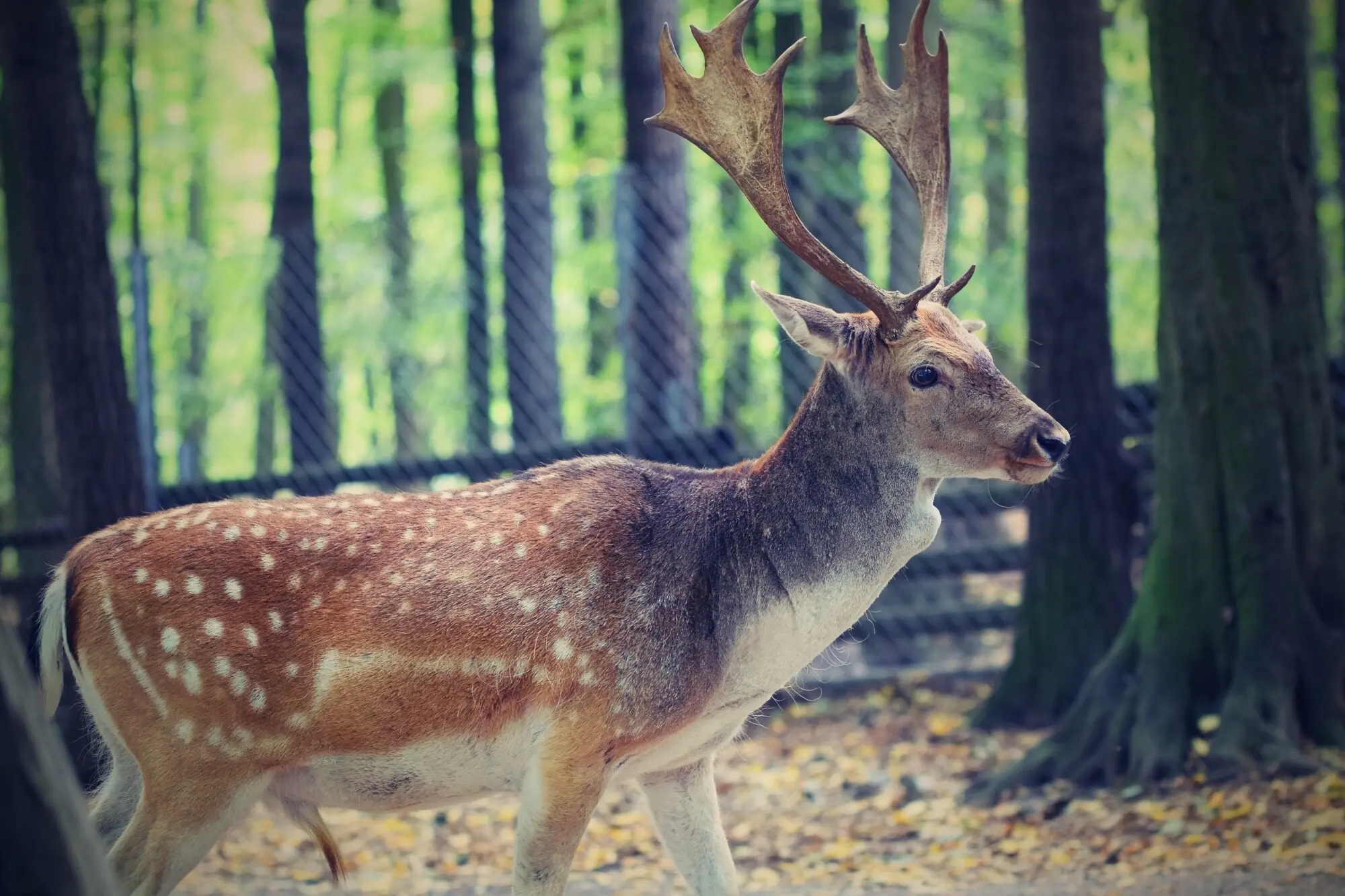
A Listener’s Field Kit You Actually Used

Share a photo and short note about the two or three items that truly supported your listening—perhaps a wool beanie, a lightweight sit pad, and a pencil. Explain what you left behind and didn’t miss. This helps newcomers avoid gear overwhelm and step into the woods lighter, kinder, and sooner. Your honesty is valuable currency here, buying others courage to try, fail gently, adjust, and discover their own comfortable, attentive rhythm.
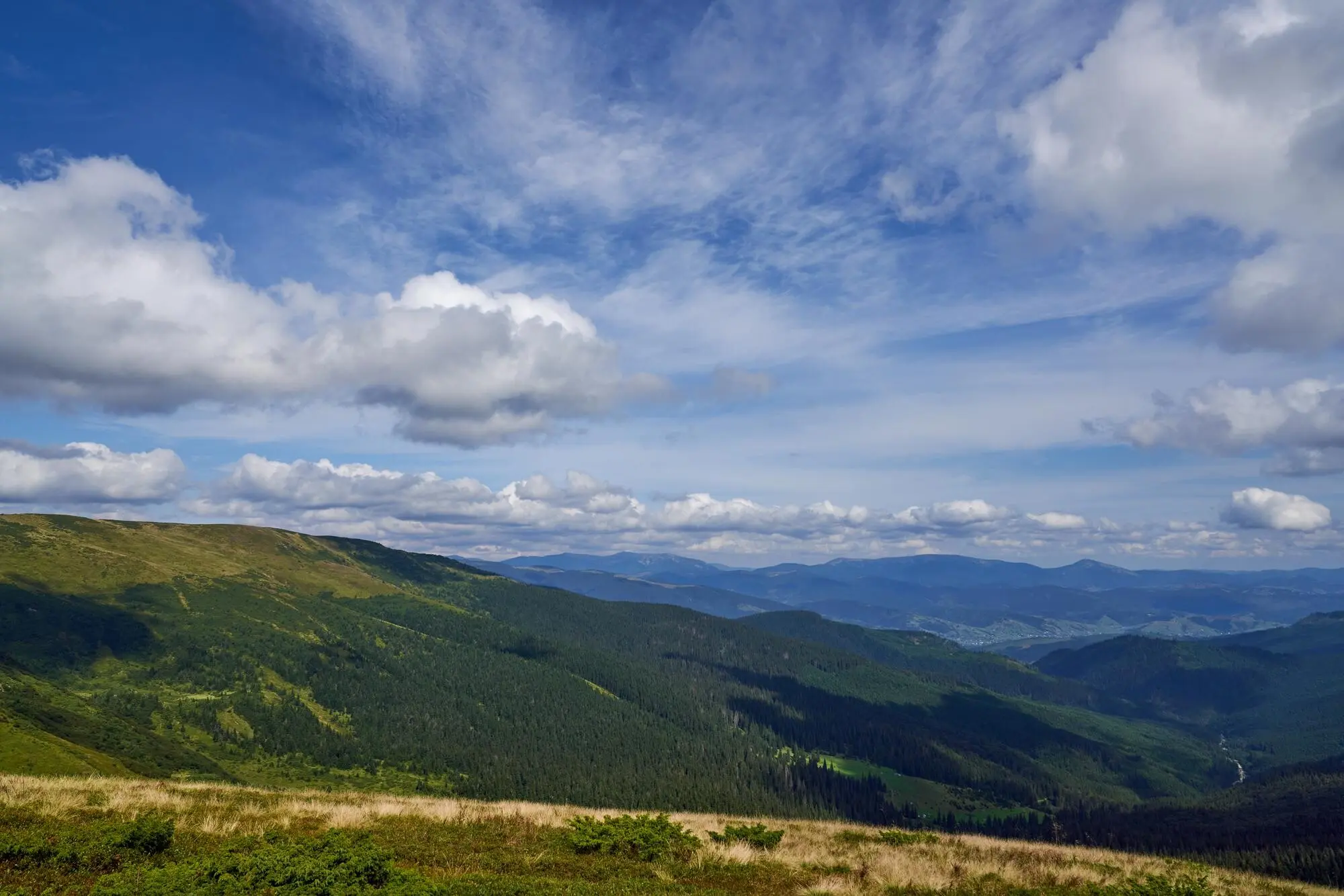
Routes That Surprised You With Silence

Without overexposing fragile corners, tell how a modest detour off a busy loop opened into a pocket of extraordinary calm. Mention time of day, weather, and what invited you to pause. Did you notice a boundary—edge of larch, beginning of moss, curve of water—that changed everything? Your generosity in sharing approach rather than coordinates protects the hush while multiplying opportunity, encouraging readers to seek qualities, not trophies, in their own careful wanderings.


Karosiralumanilo
Privacy Overview

This website uses cookies so that we can provide you with the best user experience possible. Cookie information is stored in your browser and performs functions such as recognising you when you return to our website and helping our team to understand which sections of the website you find most interesting and useful.