Listening to the Woods: How Visitors Shape the Lake District’s Soundscape

Join us as we explore tourism and noise—human impacts on Lake District woodland acoustics—by listening closely to how boots, chatter, bikes, and boats mingle with birdsong, wind, and streams. We’ll reveal what changes in pitch, timing, and behavior mean for wildlife, how to measure sound gently, and simple ways every visitor can help. Share your recordings, memories, and questions to enrich this living conversation.

What the Forest Hears

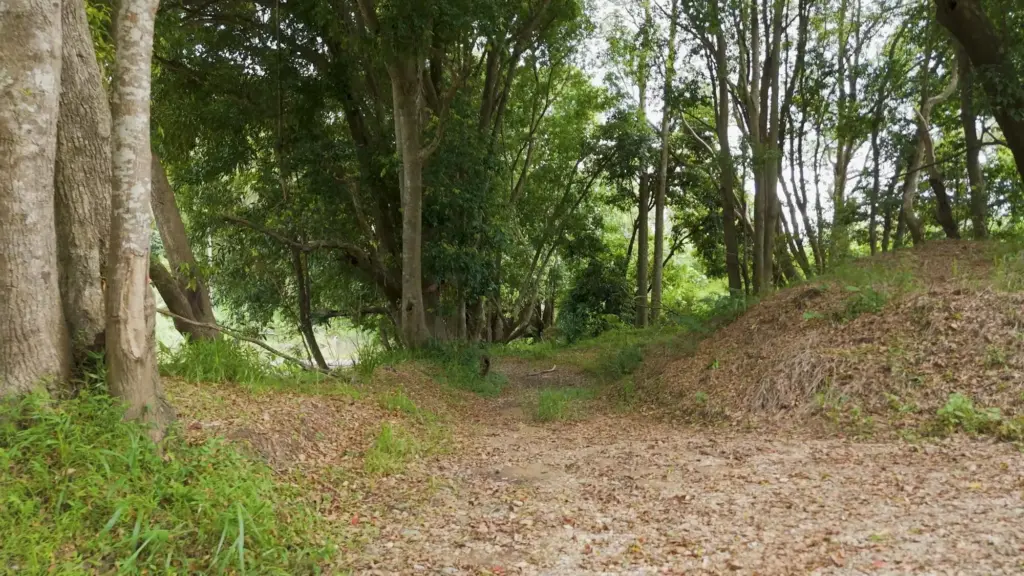
Before crowds arrive, oak and birch woods hold layered music of wrens, robins, thrushes, whispering leaves, and water over stones. Sound travels unevenly through trunks and moss, softening harsh edges while amplifying sudden cracks. Understanding this natural architecture helps explain why added human noise masks delicate signals, reshapes animal decisions, and shifts the emotional character people seek in these landscapes.

Footsteps, Engines, and Echoes

Visitors bring delight, curiosity, and also sound. Gravel crunch, gate clangs, conversations, radios, dogs’ collars, bike freehubs, buses along the A591, and pleasure boats on Windermere together create a shifting backdrop. Peaks align with holidays, fair weather, and midday picnics, often overlapping with sensitive breeding windows when acoustic disturbance carries farther through leafy corridors and valleys.

Trails and Talking

Chatter projects surprisingly far in damp woods, especially as laughter bounces between trunks. Group size matters more than one loud voice, because overlapping sentences create broad, continuous masking. Even footsteps vary: compacted gravel snaps, boardwalks thud, and puddle stomps slap, each adding texture. Choosing softer shoes and keeping conversations lower near nests instantly reduces pressure without diminishing anyone’s enjoyment.

Roads, Boats, and Background Roar

Traffic hums blend with wind, but acceleration, braking, and motorcycle revs puncture calm. On lakes, two-stroke engines and loudhailers sweep across bays, reaching wood edges. Coordinated speed limits, electric craft incentives, and vegetated shore buffers can lower peaks. Travelers planning arrivals outside dawn and dusk respect moments when feeding, singing, and bat commuting are acoustically sensitive.

Facilities and Materials That Click and Clatter

Car parks, café extractors, clattering bins, dog washers, and hand-dryers add persistent tones that seep into adjacent glades. Materials matter: metal gates ring; rubberized latches hush. Thoughtful design swaps squeaks for hush, dampens resonant panels, and redirects speakers. Small retrofits at busy sites produce large gains, especially where trails funnel visitors past nesting trees and day-roosts.

Songbirds Shift Pitch and Time

Studies from woodlands across Britain show songbirds upping volume and pitch near busy paths, a tactic that strains energy budgets and may confuse mates used to customary signatures. In oak valleys hosting pied flycatchers and wood warblers, persistent masking during pairing can shorten fertile windows, pushing birds toward marginal territories or later broods, with compound risks during wetter, colder springs.

Bats, Insects, and Night Paths

High-frequency crowd noise and clattering gear overlap with echolocation calls, displacing light-shy species from edges where insects concentrate. Pipistrelles may tolerate moderate hum, yet Myotis bats prefer hush and dark. When dusk queues collide with holiday return traffic, underpasses, hedgerows, and signage guiding quiet movement protect commuting corridors that stitch roosts to rivers and moth-rich meadows.

Mammals Balance Vigilance and Feeding

Red squirrels pause at metallic clangs, wasting minutes of autumn feeding that matter for winter survival. Roe deer lift heads more often near busy stiles, trading vigilance for calories. Small mammals avoid routes where predator sounds blur with people. Reducing sharp noises around feeding hotspots returns precious seconds and restores predictable cues these mammals evolved to trust.

Measuring Sound in the Fells and Valleys

Measuring sound transforms hunches into patterns you can compare and improve. From smartphone apps with calibrated microphones to autonomous recording units logging months of dawn choruses, tools reveal where masking peaks and when relief arrives. Simple notes about weather, group sizes, and surfaces add context, turning a day out into data that guides kinder choices and smarter design.

Easy Tools for Curious Walkers

Curious walkers can start by timing short soundwalks, holding phones steady, and jotting what they hear alongside decibel snapshots. Stand still, listen for a full minute, and notice birds switching perches after a shout. Repeating the same loop on quiet weekdays and busy Sundays exposes contrasts that spark respectful conversations with friends, families, and fellow visitors.

Autonomous Recorders and Study Design

Researchers deploy weatherproof recorders on poles or trunks, spacing them to capture gradients from car parks into deep woods. Scheduled samples around dawn, lunch, and dusk trace human patterns against wildlife routines. Combining spectrograms with GPS and vegetation data clarifies which surfaces, slopes, and hedges amplify or buffer sound, pointing to practical tweaks that protect nests and roosts.

A Ranger’s Quiet Circuit
On a misty loop above Grizedale, a ranger paused before unlocking a clanging barrier, choosing instead to lift and cushion it with a sleeve. Nearby, a wren restarted almost immediately. That tiny kindness echoed through the day as walkers noticed, mirrored the hush, and left the glade with brighter eyes and quieter boots.

Ten Meters to Clarity

A birder once shifted ten meters off a chatter-filled junction, standing behind a holly screen. The soundstage changed: overlapping voices softened, robin phrases unfurled, and a distant woodpecker drum emerged. That micro-move models how subtle route choices gift wildlife breathing room without denying anyone access, turning observation into stewardship with joyful, immediate feedback.

A Family Finds a Whispering Glade

A local café posted a hand-drawn note inviting guests to close gates gently and share one minute of silence before setting off. Families played along, turning the pause into a game. Laughter returned, softer and spaced, and nearby robins resumed foraging. Hospitality shaped conduct, proving welcome and quiet can rise together without scolding or rules.

Designing for Gentle Footprints

Practical choices can soften footprints without dimming adventure. Blending thoughtful routing, sound-damping materials, considerate messaging, and seasonal windows creates spaces where birds pair successfully, bats commute freely, and people feel more restored. These measures scale from family walks to park strategies, inviting everyone to contribute small actions that accumulate into lasting, audible relief for woodlands.
Karosiralumanilo
Privacy Overview

This website uses cookies so that we can provide you with the best user experience possible. Cookie information is stored in your browser and performs functions such as recognising you when you return to our website and helping our team to understand which sections of the website you find most interesting and useful.